


Penile Implant Surgery
& Erectile Dysfunction
Understanding Erectile Dysfunction (ED)
Erectile Dysfunction (ED) is a common condition affecting over 40 million American men. It's characterized by the inability to achieve or maintain an erection firm enough for sexual intercourse. While occasional difficulty with erections is normal, persistent issues might indicate an underlying problem.
What Causes ED?
ED can be caused by various factors, including:
-
Medical Conditions: Conditions like diabetes, heart disease, high blood pressure, and obesity can affect blood flow to the penis, leading to ED.
-
Psychological Factors: Stress, anxiety, depression, and relationship issues can contribute to erectile problems.
-
Lifestyle Factors: Smoking, excessive alcohol consumption, lack of exercise, and poor diet can increase the risk of ED.
-
Medications: Certain medications, such as antidepressants, blood pressure drugs, narcotics and sedatives, can interfere with erections.

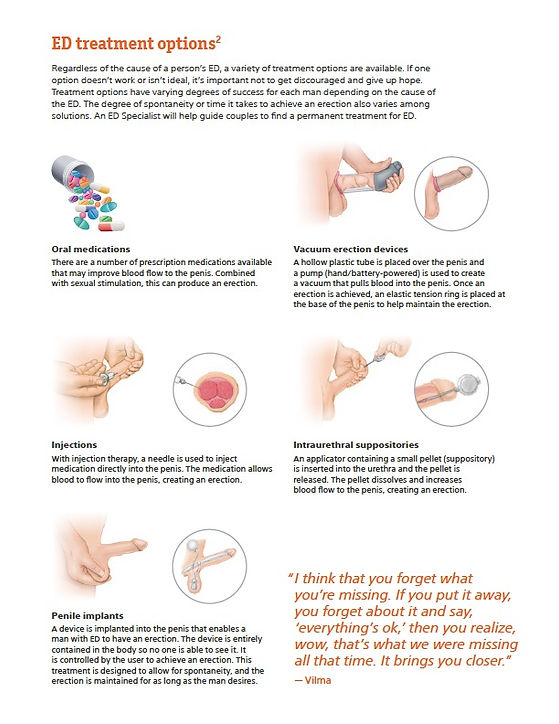
Treatment Options for ED
The good news is that ED is treatable, and several options are available:
1. Lifestyle Changes: Making healthy lifestyle changes like quitting smoking, exercising regularly, and maintaining a healthy weight can improve erectile function. For evidence-based supplement and lifestyle recommendations for erectile dysfunction, visit our Supplements & Lifestyle page.
2. Medications: Oral medications like Viagra, Cialis, and Levitra are commonly prescribed to help achieve erections. These drugs work by increasing blood flow to the penis.
3. Penile Injections: Medications can be injected directly into the penis to stimulate an erection.
4. Penile Implants: For men interested in a more permanent and reliable solution, penile implant surgery is the most effective option.
Penile Implant Surgery
What is a Penile Implant?
A penile implant is a medical device surgically implanted into the penis to enable an erection. These implants consist of inflatable cylinders placed inside the penis. They are filled with saline solution via a pump placed in the scrotum. When the pump is activated, the cylinders fill with fluid, creating an erection. After intercourse, the fluid is released back into the reservoir, deflating the cylinders.
Is Penile Implant Surgery Right for Me?
Penile implant surgery is typically recommended for men who:
-
Have not responded to or are not interested in other treatments for ED.
-
Have severe erectile dysfunction.
-
Desire a permanent solution for erectile problems.
-
Are medically healthy enough to undergo a surgical procedure
What to Expect from Penile Implant Surgery
Pre-Surgery:
Before surgery, you'll have a consultation to discuss the procedure, potential risks, and benefits. You may need to undergo some tests to ensure you're a suitable candidate for surgery.
Surgery:
Penile implant surgery is performed under general anesthesia. The procedure usually takes an hour or less, and you’ll go home that same day. Your surgeon will make a small incision in your scrotum, insert the implant, and close the incision.
Recovery:
You can expect some discomfort and swelling after surgery, which can be managed with pain medication and ice packs. Most men can resume sexual activity after 4-6 weeks, once the incision has healed.
Penile Implant Surgery — FAQs:
-
What is a penile implant? A penile implant (penile prosthesis) is a medical device surgically placed inside the penis to allow men with erectile dysfunction to achieve an erection. It is typically recommended when medications, injections, and other treatments have not worked or are not tolerated.
-
Am I a candidate for a penile implant? You may be a candidate if you have ED that does not respond to oral medications (Viagra, Cialis), have a medical condition that prevents you from using other ED treatments, or have Peyronie's disease with associated ED. Dr. Moore evaluates each patient individually.
-
What types of penile implants are available? There are two main types: inflatable implants (three-piece), which provide the most natural look and feel, and semi-rigid (malleable) implants, which are simpler to operate. Dr. Moore primarily places three-piece inflatable implants.
-
What is recovery like? Most patients go home the same day. You should avoid strenuous activity for 4–6 weeks. The device is typically activated 4–6 weeks after surgery. Most men return to sexual activity within 6–8 weeks.
-
How long does a penile implant last? Modern inflatable implants have mechanical survival rates exceeding 90% at 5 years. Many last 15–20 years or longer before revision is needed.
-
Will it feel natural? The inflatable implant produces an erection that looks and feels natural to both the patient and partner. Sensation and the ability to orgasm are preserved.
Conclusion
Dr. Moore is the highest-volume penile implant surgeon in the Tri-State region, serving patients from Vincennes, Jasper, Princeton, Terre Haute, Washington, and Mt. Vernon in Indiana; Henderson, Owensboro, Madisonville, and Hopkinsville in Kentucky; and Marion, Mt. Carmel, and Harrisburg in Illinois.
If you're struggling with erectile dysfunction, know that you're not alone, and there are effective treatments available. Penile implant surgery is a safe and reliable option for men who haven't found success with other treatments. If you're considering penile implant surgery or want to learn more about your options, schedule a consultation today. We're here to help you regain your confidence and enjoy a fulfilling sex life.